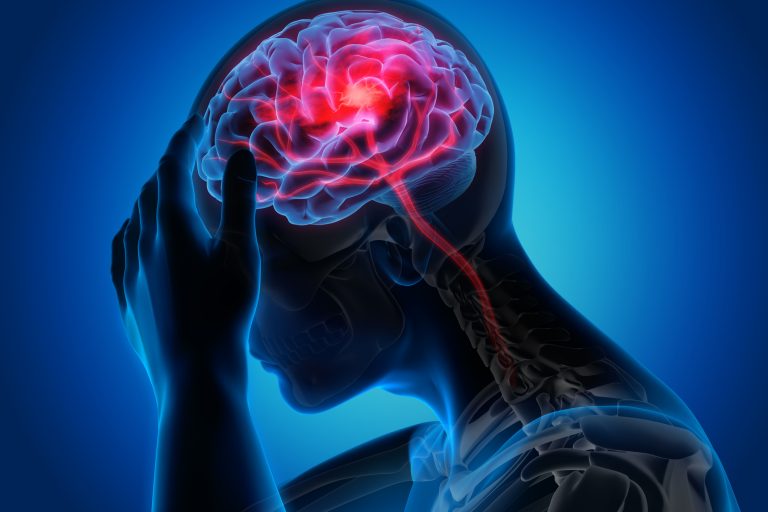
A stroke occurs when the blood supply to a part of the brain is interrupted or reduced, preventing brain tissue from receiving oxygen and nutrients. As a result, brain cells begin to die within minutes. Stroke is a medical emergency that can lead to paralysis, muscle weakness, speech difficulties, balance problems, and loss of independence. Early medical intervention and comprehensive rehabilitation play a crucial role in maximizing recovery and improving quality of life.
Stroke can occur due to various underlying conditions, including:
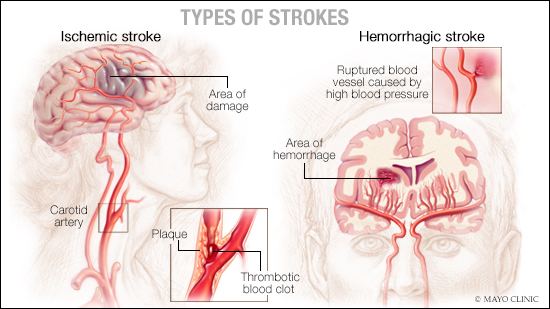
The most common type of stroke, caused by a blockage in a blood vessel supplying the brain.
Occurs when a blood vessel in the brain ruptures and causes bleeding.
Often called a “mini-stroke,” it is caused by a temporary blockage of blood flow to the brain and serves as an important warning sign.
At DPRC, we provide comprehensive stroke rehabilitation programs designed to maximize recovery, restore function, and improve independence. Rehabilitation programs may include:
Stroke rehabilitation should begin as early as medically appropriate. Seek professional rehabilitation services if you experience:
Early rehabilitation often leads to better recovery outcomes.
At DPRC, we provide evidence-based stroke rehabilitation through a multidisciplinary approach focused on restoring function and improving independence. Our experienced rehabilitation professionals create personalized treatment programs tailored to each patient’s specific needs and recovery goals. Using advanced rehabilitation facilities and patient-centered care, we help stroke survivors regain mobility, improve daily functioning, and achieve the highest possible level of recovery.
FAQ
Explore commonly asked questions about stroke symptoms, causes, rehabilitation, recovery, mobility training, and long-term care. DPRC is committed to helping stroke survivors regain independence and achieve the best possible recovery through expert rehabilitation services.
Recovery varies from person to person. Many stroke survivors achieve significant improvements through comprehensive rehabilitation and ongoing therapy.
Rehabilitation should begin as early as medically appropriate, often within days after stabilization.
Yes. Physiotherapy plays a vital role in improving mobility, strength, balance, coordination, and overall functional independence.
Recovery time varies depending on the severity of the stroke and individual factors. Rehabilitation may continue for weeks, months, or longer.
Yes. Gait training and mobility-focused rehabilitation can help many patients improve their walking and balance abilities.
The primary goal is to help patients regain independence, improve function, and achieve the highest possible quality of life.