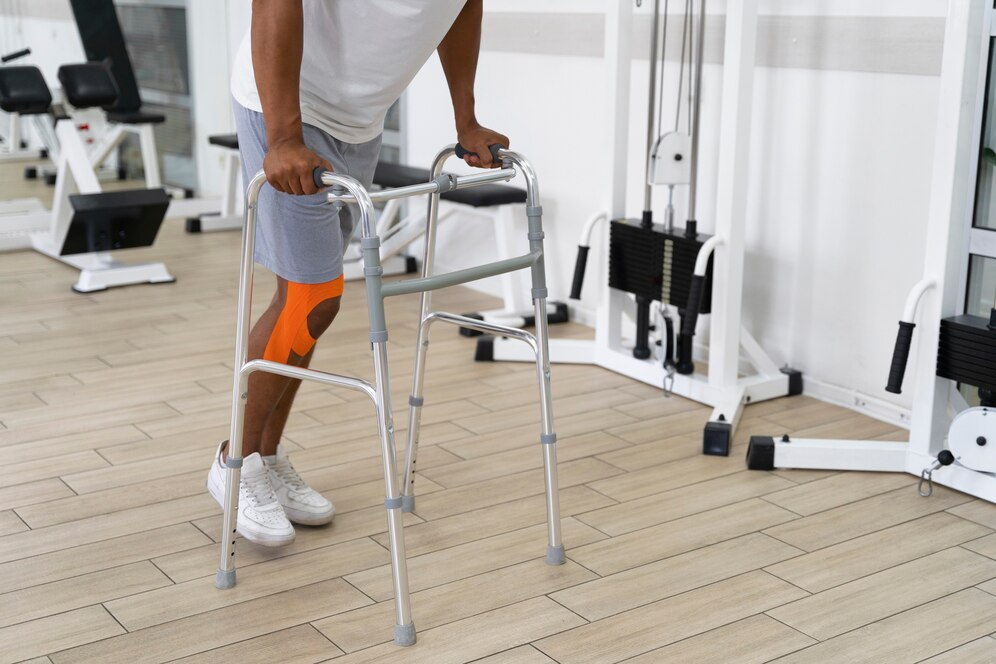
Paralysis is the loss of muscle function in one or more parts of the body due to damage to the nervous system. It can affect a specific area, such as an arm, leg, or one side of the body, or it may involve larger portions of the body. Paralysis often results from conditions such as stroke, spinal cord injury, traumatic brain injury, neurological disorders, or nerve damage. The severity of paralysis varies from mild weakness to complete loss of movement. Early rehabilitation is essential to maximize recovery, improve mobility, and enhance independence.
Paralysis can occur due to a variety of medical conditions, including:
Paralysis affecting one side of the body, commonly caused by stroke.
Paralysis affecting both legs and the lower part of the body.
Paralysis affecting both arms and both legs.
Paralysis affecting a single limb.
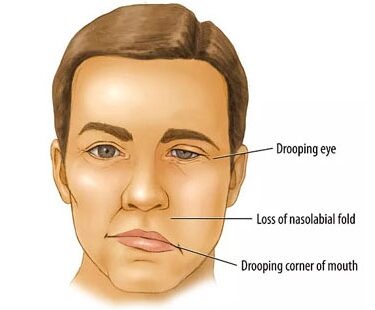
Loss of movement in facial muscles, often caused by Bell’s Palsy or nerve injury.
Symptoms vary depending on the underlying cause and affected area but may include:
At DPRC, we provide comprehensive rehabilitation programs designed to help individuals with paralysis regain function, improve mobility, and maximize independence. Treatment programs may include:
Rehabilitation should begin as early as medically appropriate. Seek professional rehabilitation services if you experience:
Immediate medical attention is recommended if PLID symptoms are accompanied by loss of bladder or bowel control, severe weakness, or sudden neurological changes.
At DPRC, we provide evidence-based neurological rehabilitation through a multidisciplinary and patient-centered approach. Our experienced rehabilitation professionals conduct comprehensive assessments and develop personalized treatment programs tailored to each patient’s unique needs. Using advanced rehabilitation facilities and modern therapeutic techniques, we focus on restoring mobility, improving functional independence, and helping patients achieve the highest possible level of recovery and quality of life.
FAQ
Explore commonly asked questions about paralysis, neurological rehabilitation, mobility recovery, physiotherapy, and long-term rehabilitation. DPRC is committed to helping patients regain independence and achieve the best possible recovery through expert rehabilitation services.
The outcome depends on the cause and severity of the condition. Many patients achieve significant improvements through comprehensive rehabilitation and ongoing therapy.
Yes. Physiotherapy is a key component of rehabilitation and helps improve strength, mobility, balance, coordination, and functional independence.
Recovery varies depending on the cause, severity, and individual response to treatment. Rehabilitation may continue for weeks, months, or longer.
Some patients regain walking ability through rehabilitation, while others may improve mobility with assistive devices. Recovery varies from person to person.
The primary goal is to maximize independence, improve function, enhance mobility, and improve overall quality of life.
Rehabilitation should begin as soon as the patient’s medical condition is stable and approved by the treating physician.