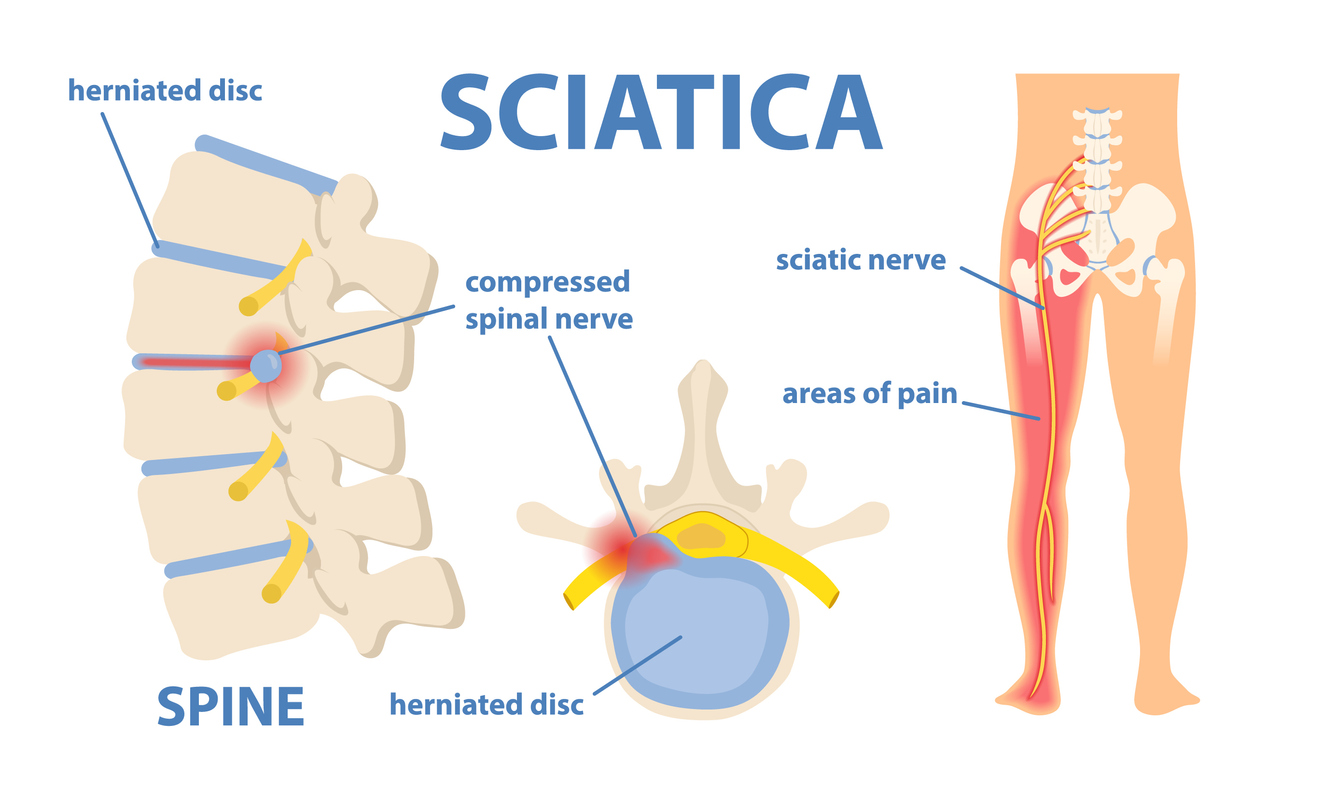
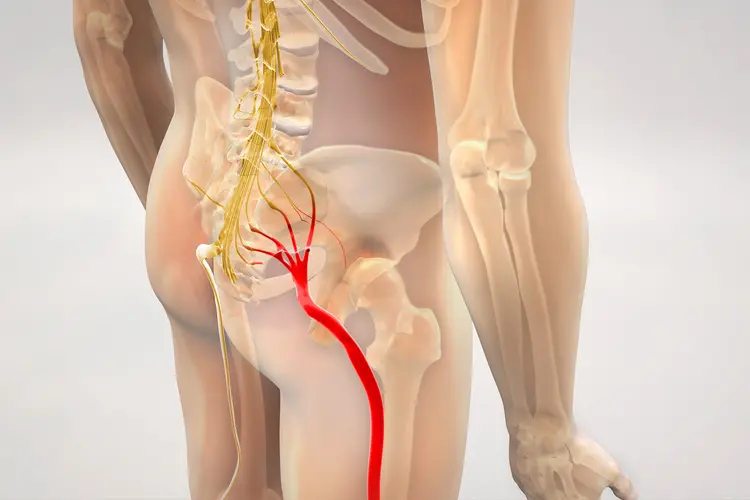
Sciatica is a condition characterized by pain that radiates along the path of the sciatic nerve, the largest nerve in the human body. The sciatic nerve originates from the lower back and travels through the hips, buttocks, and down each leg. Sciatica occurs when the nerve becomes compressed, irritated, or inflamed, often due to conditions affecting the lower spine. The condition can cause significant pain, numbness, tingling, and weakness, making everyday activities difficult. Early diagnosis and appropriate treatment can help relieve symptoms and prevent long-term complications.
Sciatica can develop due to various conditions that place pressure on the sciatic nerve, including:
Symptoms typically affect one side of the body and may include:
Sciatica can significantly interfere with daily activities such as walking, standing, sitting, driving, climbing stairs, and performing work-related tasks. Persistent nerve pain may affect sleep quality, productivity, and overall well-being. Without appropriate treatment, symptoms may worsen and lead to prolonged functional limitations.
At DPRC, we provide evidence-based, patient-centered rehabilitation for individuals suffering from sciatica and related spinal conditions. Our experienced rehabilitation professionals conduct comprehensive assessments and create personalized treatment plans tailored to each patient's needs. Using modern rehabilitation techniques and advanced therapeutic facilities, we focus on reducing pain, restoring mobility, improving function, and helping patients return to their normal activities with confidence.
At DPRC, we provide comprehensive rehabilitation and non-surgical treatment programs designed to address the root cause of sciatica while reducing pain and restoring function. Treatment programs may include:
FAQ
Yes. Many cases of sciatica improve with appropriate physiotherapy, rehabilitation, exercise, and lifestyle modifications without requiring surgery.
A herniated or slipped disc (PLID) in the lower back is one of the most common causes of sciatica.
In many cases, controlled walking can help improve circulation and mobility. However, activity should be guided by a healthcare professional based on individual symptoms.
Recovery time varies depending on the underlying cause and severity. Many patients improve significantly within weeks to months with proper treatment and rehabilitation.
Yes. Sciatica can recur if proper posture, exercise, spinal care, and lifestyle modifications are not maintained.
The best treatment depends on the underlying cause. A personalized rehabilitation program focused on pain relief, mobility improvement, strengthening, and functional recovery often provides the best outcomes.